
The Black horror experience
A genre seeped in reality masked with pretend monsters

I have spent the year reading amazing books and watching It: Welcome to Derry. Within 2025, I have consumed countless stories that pertain to the Black experience, specifically Black Horror. No, not horror as simple as ghosts, apparitions, and weird creatures but horror in the psychological, social, economical sense. The cultural, guttural stories that Black Americans have experienced in one way or another.
Evil is other people
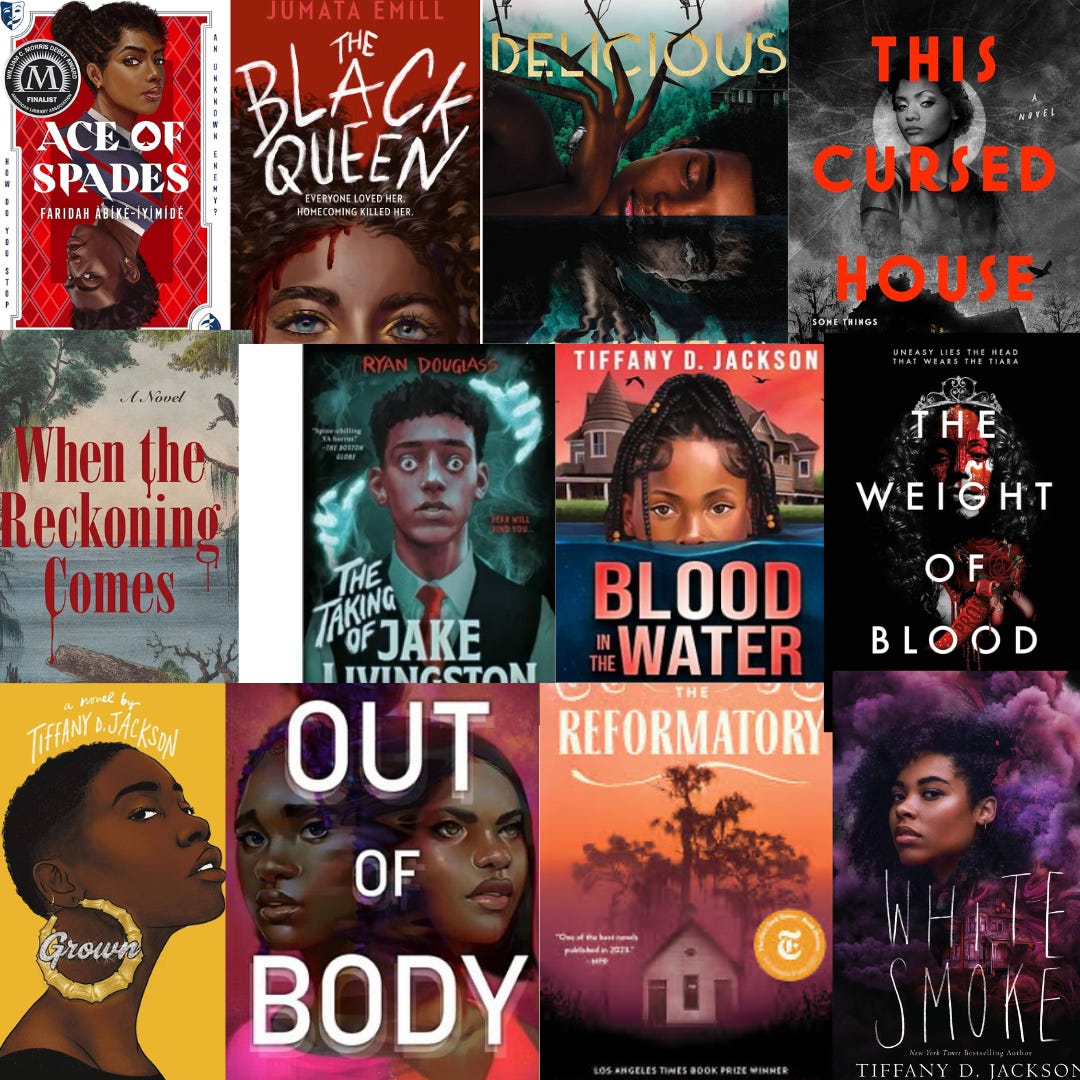
The books that fall into this category that I read are: Delicious Monsters (Liselle Sambury), White Smoke (Tiffany D. Jackson), When the Reckoning Comes (LaTanya McQueen), The Reformatory (Tananarive Due), This Cursed House (Del Sandeen), and The Weight of Blood & Grown (Tiffany D. Jackson).
All of these books have in common that a lot of the horrific experiences that the main character faced due to the people in their environment. That evilness came from white supremacy, people who have harmed them or their loved ones in grotesque and truly astonishing ways that have traumatized the main character beyond repair.
When the Reckoning Comes is a huge aspect of this, due to the fact the MC is visiting a plantation house for her friend’s wedding. Yikes! The depressing and evil history of the land comes to life and reenacts the reckoning on the day of the wedding and wreaks havoc on everyone on the land.
The evil at its core for majority of the stories I read, is other people. For Delicious Monsters it’s a family member, in White Smoke & When the Reckoning Comes it’s White people. Well, for 99% of them it’s White people, and for the others it’s their own families. I’m doing my best to not give these stories away in case you want to read them, but a lot of times it’s very apparent depending on what they write about, like Tiffany D. Jackson. Her stories have huge social and cultural themes and situations that can be jarring, yet necessary to share.
Crossing genres
The atrocities that Black people face in horror books cross genres. We see Black horror in thrillers like Ace of Spades (Faridah Àbíké-Íyímídé), Where Sleeping Girls Lie (read last year), Blood in the Water, Grown, The Black Queen (Jumata Emill), and Out of Body (Nia Davenport).
In these thrillers, our fmcs are experiencing traumatic experiences at the hands of other people, like someone they idolized (Grown) or people who have inflicted harm on other girls (Where Sleeping Girls Lie), or people who they believed wanted the best for them (Ace of Spades). Within these genres, we see that Black characters are not safe with those they are around, which very much so mimics real life. The constant struggle to find safety in others. As we go through the years, decades, Black Americans are the victims in a variety of crimes against them from being unalived by people that claimed to be their friends, assaulted by family members, unalived by police and racist neighbors. The world is greatly unsafe for Black Americans and the books I read continue to share that information through fiction.
It: Welcome to Derry
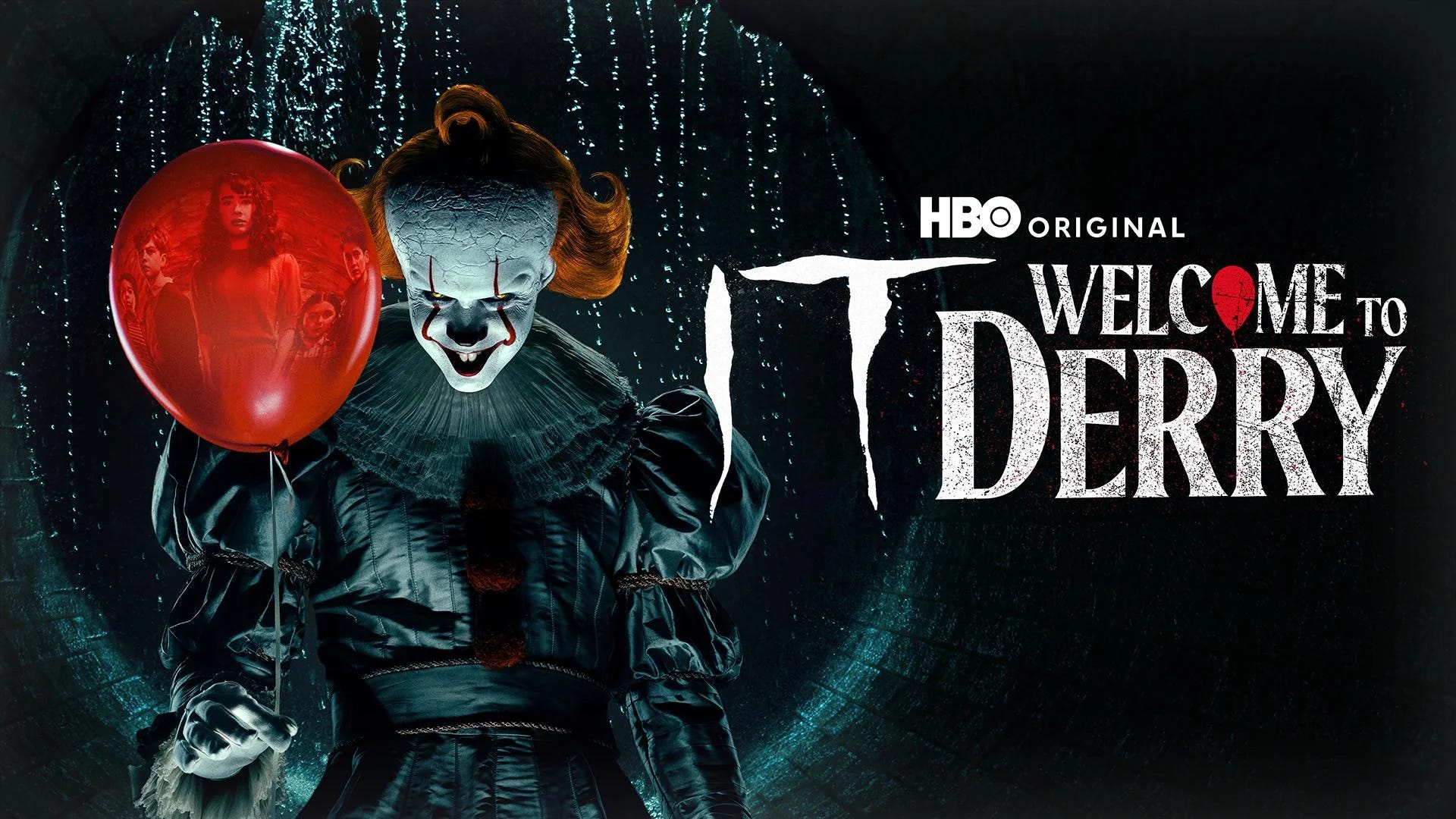
Black Americans have ate this show up and I’m definitely one of them! The show goes back to the 1940s, prior to the first It movie. It navigates the lives of a family that moves to Derry and the father, Leroy Hanlon, is in the military. His son, Will, along with friends Marge, Rich, Ronnie, and Lily. Another part of the plot is what Leroy is dealing with as a military man, such as racism, authority, and this very weird project that is going on. Then, there is the inactivity of the Native Americans (just being honest). All of these storylines center around the discovery and experiences of Pennywise.
We see tons of Black horror through the eyes of so many characters like Charlotte (Will’s mom), Ronnie and her father due to the accusations made against him, the entire 7th episode that centers around a major event at a makeshift hang out spot for Black military men and women. This episode is filled with Black horror, trauma, and fear. I won’t go into detail in case you haven’t watched the episode yet or want to watch the show.
Consuming this content can be confusing because we want to amplify and share these stories, yet fiction still have a lot of real connections and emotions that come up— but sometimes it can be daunting when it’s all we consume. That’s the struggle of being a Black American— our trauma and horrors of living in America never end. The Black horror experience makes money and at the same time bonds us through the constant generational pain that flows through our blood. When written by us and for us, it also somehow empowers us. For me, reading these stories and watching these shows, foster conversations and bring us together across different interests, states, and even countries (expat or those simply traveling). These complexities at their core are part of us. The trauma and the hope we feel to live in a world where we feel safe.